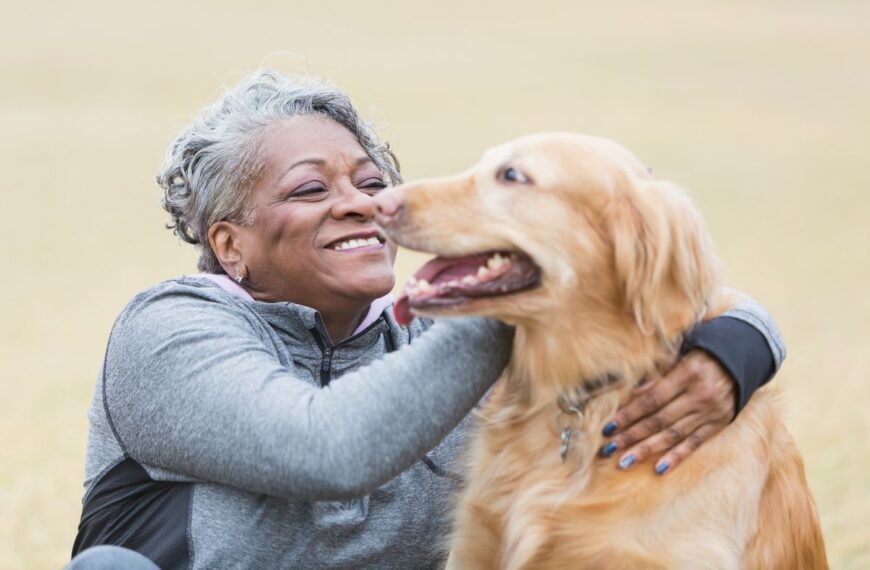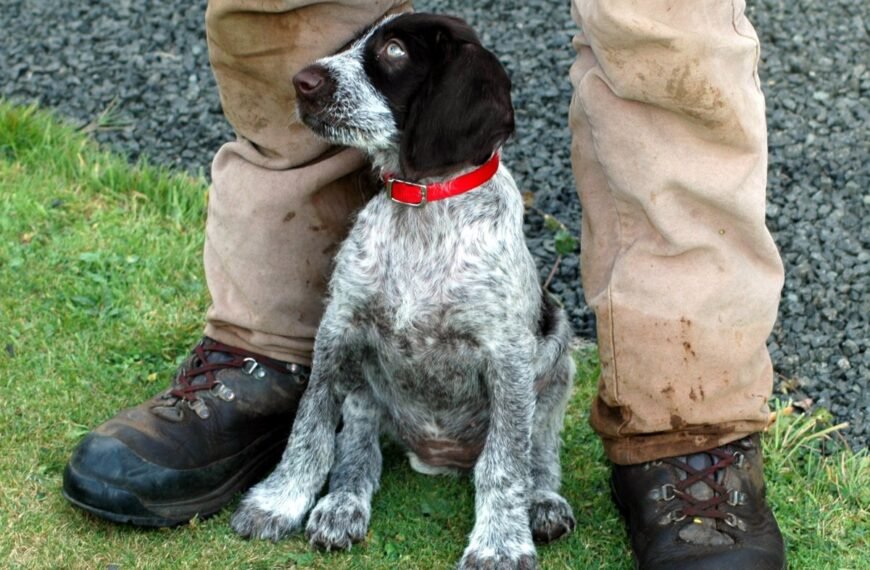

The first week with a new pet is a time of major adjustment. While everything may feel exciting to you, your pet is learning an entirely new environment, routine, and set of expectations. Understanding what your pet needs during this transition can make the first week calmer and help build a strong foundation for the future.
Why the First Week Matters
The first week at home plays a key role in shaping how safe and secure your pet feels. During this time, your pet is learning where to sleep, when to eat, and how daily life works in their new home. Consistency, patience, and reassurance help reduce stress and make the adjustment smoother.
Some pets settle in quickly, while others need more time. Both responses are normal, and there’s no “right” pace for adjustment.
Establishing a Simple Daily Routine
A predictable routine helps new pets feel grounded. Try to keep feeding times, walks, playtime, and bedtime consistent each day. This predictability allows your pet to relax because they begin to understand what happens next.
Avoid introducing too many changes at once. During the first week, it’s best to limit visitors, outings, and new experiences until your pet feels more comfortable at home.
Creating a Safe and Comfortable Space
Your pet should have a designated space where they can rest and retreat when they feel overwhelmed. This area should be quiet and free from heavy foot traffic. Providing familiar items, such as bedding or toys, can help your pet feel more at ease.
Allow your pet to explore the home gradually rather than giving them free access to every room right away. This prevents overstimulation and helps them feel secure in smaller, manageable spaces.
Understanding Normal Adjustment Behaviors
During the first week, you may notice behaviors such as hiding, pacing, vocalizing, or changes in appetite. These behaviors are common and often temporary. Your pet may also be more alert than usual as they take in new sights, sounds, and smells.
Avoid punishment or correction during this period. Gentle guidance and positive reinforcement are far more effective while your pet is adjusting.
Building Trust Through Positive Interactions
Trust is built through calm, consistent interactions. Speak gently, move slowly, and allow your pet to approach you on their own terms. Short play sessions, quiet bonding time, and praise for positive behavior all help strengthen your relationship.
The goal during the first week is not perfection, but comfort and connection.
Final Thoughts
Helping your new pet adjust during the first week is about patience, consistency, and understanding. By creating a calm environment and allowing your pet to settle in at their own pace, you set the stage for a confident and happy transition into their new home.