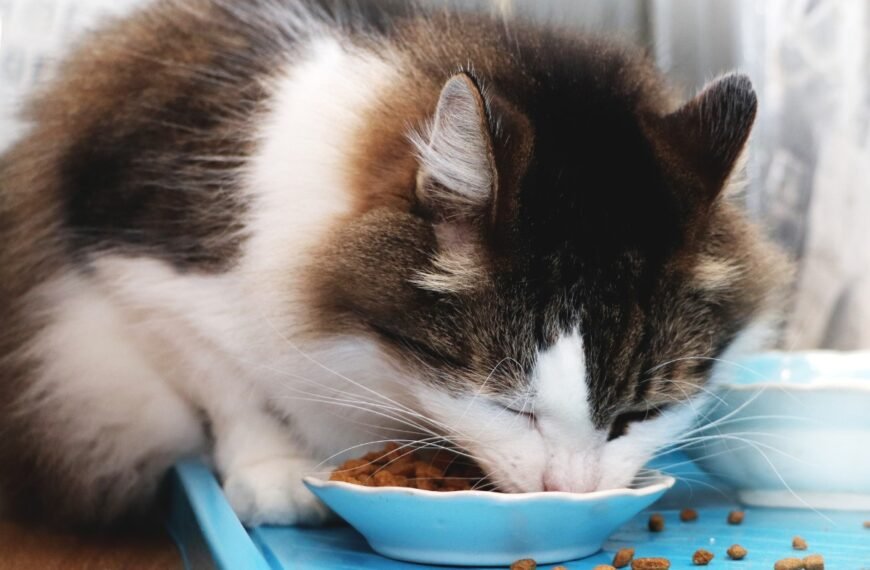

Feeding your puppy or kitten the right food at the right stage of life helps set the foundation for long-term health. Young pets have different nutritional needs than adults, which is why puppy and kitten food is formulated to support growth and development. At some point, however, you’ll need to transition to adult food. Knowing when and how to make that switch can help prevent digestive issues and keep your pet thriving.
For puppies, timing depends mostly on expected adult size and how quickly they mature. Many small-breed dogs are ready to transition sometime between about 9 and 12 months. Medium-sized dogs often switch closer to 12 months (and sometimes a bit later), while large and giant breeds typically mature more slowly and may need puppy food until roughly 14–18 months or longer. Because growth rates vary, it helps to focus on development rather than a specific birthday.
Kittens generally mature faster than puppies. Most kittens are ready to move to adult cat food around 10 to 12 months of age, once rapid growth begins to slow. Some larger cat breeds may need more time before they fully mature, so it’s okay if your timeline is a little later.
There are a few signs that may suggest your pet is ready for adult food: growth has slowed, they’re close to their adult size, and their appetite feels more stable rather than constantly increasing. These are good cues that their nutritional needs are shifting from “growth support” to “maintenance.”
When it’s time to switch foods, a gradual transition is key. Introducing a new diet too quickly can upset your pet’s stomach. Start by mixing a small amount of the new adult food into the current puppy or kitten food, then slowly increase the proportion over about 7 to 10 days. If your pet has a sensitive stomach, or if you’re transitioning a cat who’s picky or prone to digestive upset, you may need to slow the process and take longer.
If you’re unsure about timing, portion adjustments, or the best adult food to choose, your veterinarian can help you decide based on your pet’s breed, size, body condition, and overall health. Feeding needs evolve throughout the first year, and a thoughtful transition helps support a healthy adulthood.