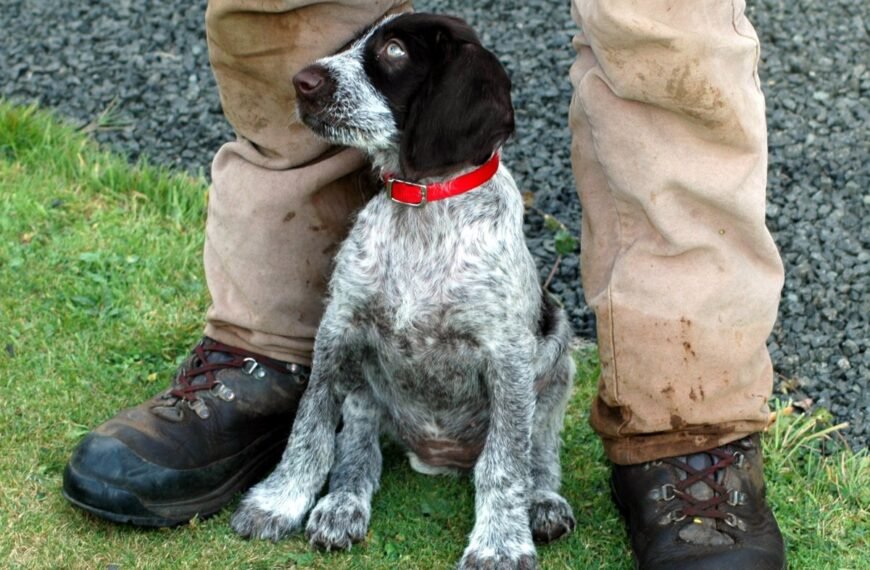

It’s natural for new pet owners to wonder whether their pet’s behavior is normal during the first few weeks at home. Adjusting to a new environment takes time, and many behaviors that seem unusual at first are actually part of a healthy adjustment process. Understanding what’s typical — and what may need attention — can help you respond with confidence.
Why Behavior Changes Are Common at First
When a pet enters a new home, everything feels unfamiliar. New smells, sounds, people, and routines can temporarily affect behavior. Pets may act differently as they learn where they feel safe, how the household operates, and what to expect each day.
These changes don’t mean something is wrong. In most cases, they are signs that your pet is processing a major life transition.
Common Normal Behaviors During the Adjustment Period
Many new pets display behaviors that are completely normal in the first few weeks, including:
– Hiding or keeping distance at first
– Increased alertness or restlessness
– Changes in sleep patterns
– Temporary changes in appetite
– Testing boundaries or routines
These behaviors usually improve as your pet becomes more comfortable and confident.
Behaviors That Improve With Time and Routine
Consistency plays a key role in helping behavior stabilize. Regular feeding times, predictable play and rest periods, and calm interactions all support positive adjustment. As routines become familiar, many early behaviors fade naturally.
Positive reinforcement and patience are far more effective than correction during this stage.
When Behavior May Need Extra Attention
While many behaviors are normal early on, some signs may warrant closer attention. Persistent aggression, refusal to eat or drink, extreme fear, or behaviors that worsen over time may indicate the need for professional guidance.
If you’re unsure whether a behavior is normal, a veterinarian or pet behavior specialist can help assess the situation.